How to prevent frozen pipes in North Texas
Why DFW pipes freeze
North Texas homes are built for heat. Supply lines often run through attics, exterior walls and garages with little insulation. When temperatures stay below freezing for many hours, as in Winter Storm Uri in 2021, those pipes freeze and split. Power outages make it worse by cutting off heat.
Before the freeze
- Disconnect garden hoses and cover outdoor spigots with insulated covers
- Shut off and drain irrigation backflow devices, or wrap them
- Insulate exposed pipes in the garage and attic
- Open cabinet doors under sinks on exterior walls
- Find your main shutoff and a meter key
During the freeze
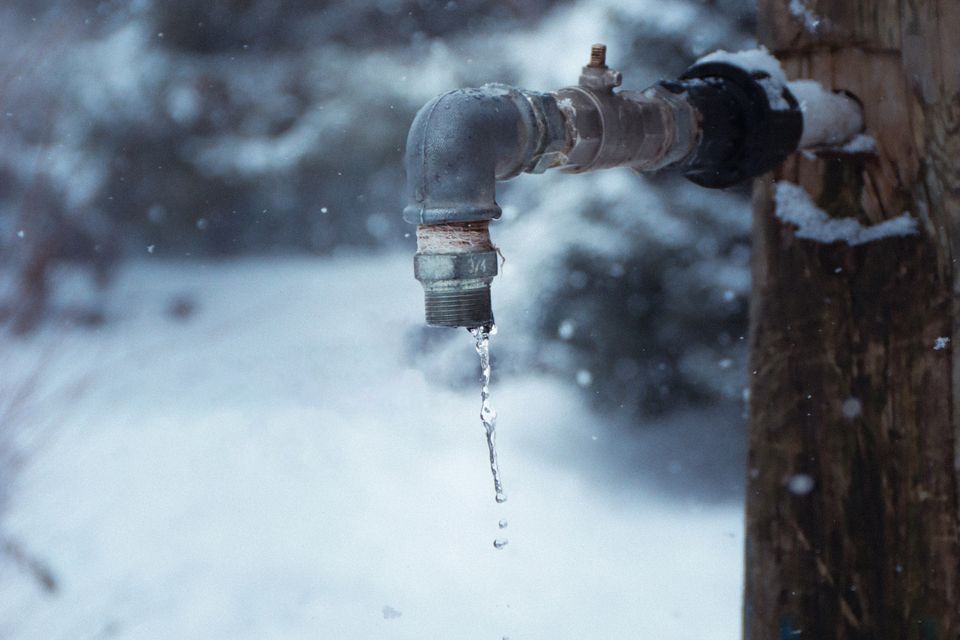
- Let a thin stream drip from faucets on exterior walls, both hot and cold
- Keep the thermostat steady, even at night
- Keep the garage door closed
- If power goes out, drain lines by shutting the main and opening faucets
If a pipe freezes
If a faucet stops flowing, a pipe is likely frozen. Open the faucet, and warm the pipe gently with a hair dryer or space heater kept at a safe distance. Never use an open flame. Be ready to shut the main: frozen pipes often leak most when they thaw. If a pipe has already burst, see burst pipe cleanup.
Questions
At what temperature do pipes freeze in Texas?
Risk grows when temperatures stay in the low 20s or below for several hours, especially for pipes in exterior walls, attics and garages.
Does dripping faucets really help?
Yes. Moving water is less likely to freeze, and an open faucet relieves pressure that builds between an ice blockage and the faucet.
This guide is general information for Texas homeowners, not legal, insurance or safety advice for your situation. Check your policy and follow local codes.