Storm and roof leak water damage
- Serving 18 towns across DFW
- Free referral, no obligation
- Leaks by source
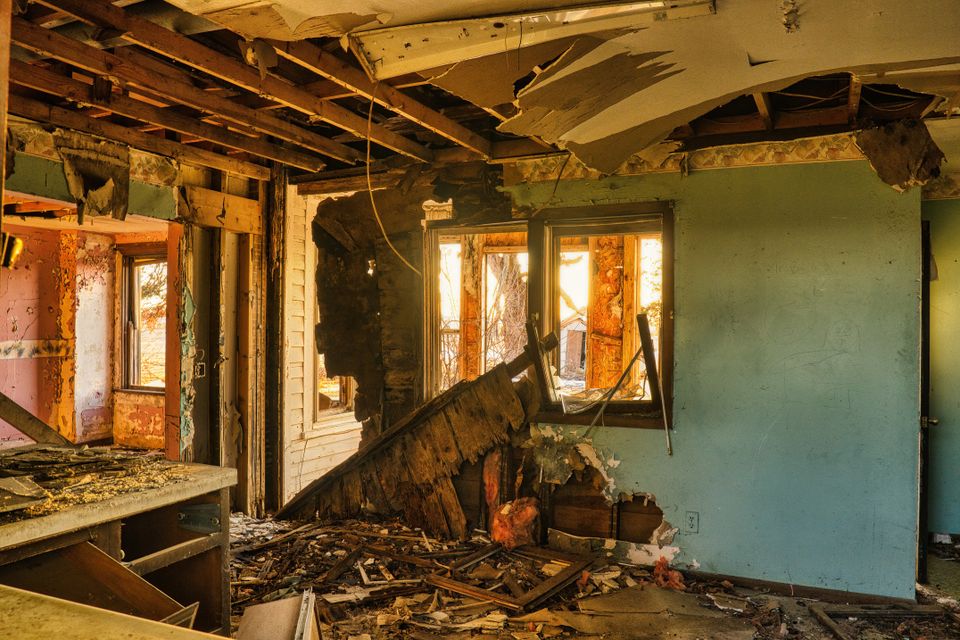
North Texas sits in one of the most hail-prone parts of the country. Spring storms can shred shingles, crack vents and punch holes in skylights across a whole neighborhood in minutes. Water often shows up days later as a stain on a bedroom ceiling or wet insulation in the attic.
Getting the roof tarped protects the house and your claim, since most policies expect you to prevent further damage. Keep photos of the roof, the attic and every stain. A roofer handles the roof; a restoration company handles wet insulation, drywall and framing inside.
Storm and roof leak water damage at a glance
- First step
- Tarp the roof to stop more water
- Inside damage
- Insulation, ceilings, walls
- Insurance
- Wind and hail usually covered; check the separate deductible
- Roof repair
- Done by a roofer
Signs you need storm and roof leak water damage
- New ceiling stains after a storm
- Wet or matted insulation in the attic
- Shingle pieces or granules in the yard
- Dented vents, gutters or skylight damage
- Water dripping around light fixtures or attic access
How the job works
Tarp
A roofer or restoration crew covers damaged areas to stop more water.
Inspect the attic
Wet insulation, decking and framing are found and removed or dried.
Dry the interior
Ceilings and walls are dried or opened, depending on saturation.
Document
Photos, moisture readings and a scope go to your insurance adjuster.
What affects the cost
Every job is priced after an inspection, and your insurer may cover part of it. These are the factors that move the number:
- Tarping
- Insulation removal and replacement
- Ceiling and wall repair
- Roof repair or replacement
- Your wind and hail deductible
What you can do before help arrives
Safe to do
- Photograph the roof from the ground and every interior stain
- Put buckets under drips and move belongings
- Keep receipts for emergency supplies
Stop and call
- Don't climb a wet or damaged roof
- Don't sign an assignment of benefits without reading it
- Don't hire anyone who offers to cover or waive your deductible; that's illegal in Texas
Questions about storm and roof leak water damage
Is roof leak water damage covered by insurance?
Water damage caused by a sudden storm, such as hail or wind damage to the roof, is typically covered. Leaks from an old, worn roof usually aren't.
Can a contractor pay my deductible?
No. Texas law prohibits contractors from waiving, rebating or absorbing an insurance deductible. Be wary of anyone who offers.
How soon should I report storm damage?
As soon as you can. Most policies require prompt notice, and Texas policies often have time limits for filing wind and hail claims.
Where we can connect you


Read before the crew arrives
Water where it shouldn't be?
Call and we'll connect you with an independent restoration company that serves your ZIP code. Free, no obligation.