Water damage restoration in Dallas–Fort Worth
- Serving 18 towns across DFW
- Free referral, no obligation
- Drying and repair
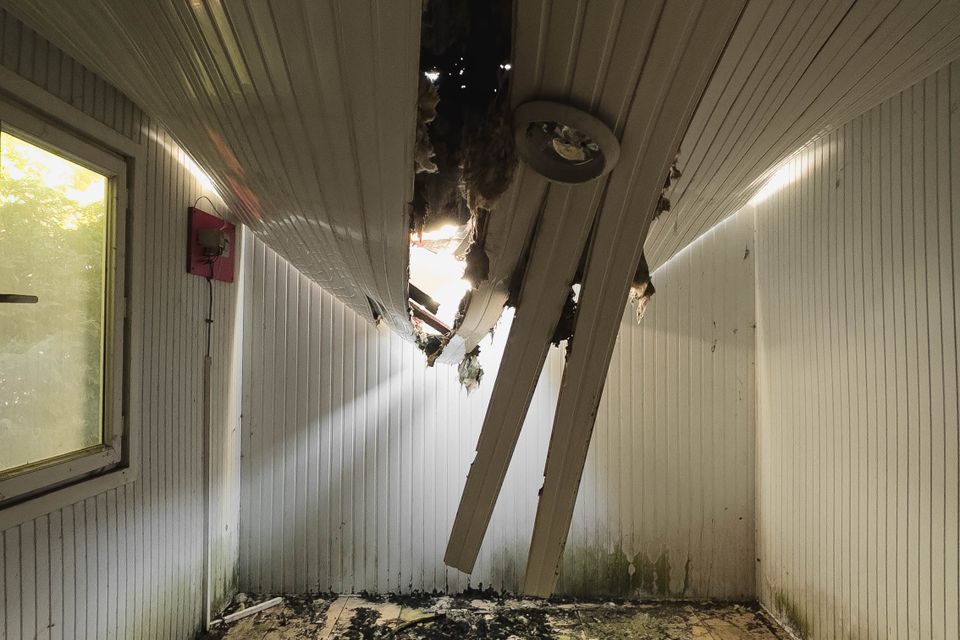
Water moves fast in a house. It runs under baseboards, soaks the bottom of drywall, wicks into carpet pad and settles under wood floors where you can't see it. What looks like a wet floor on day one can be swollen cabinets and musty drywall by day three. The first 24 to 48 hours decide how much of the house can be dried in place and how much has to come out.
When you call Dryvale, we connect you with an independent restoration company that serves your ZIP code. The crew maps moisture with meters, extracts water, sets air movers and dehumidifiers, and checks readings daily until materials reach a dry standard. They document everything with photos and readings, which is what your insurance adjuster will ask for. See structural drying for how the drying phase works.
Water damage restoration at a glance
- Typical start
- Same day for active water
- Drying time
- Usually 3–5 days
- Standard followed
- IICRC S500 (water damage)
- Who does the work
- An independent local restoration company
- Insurance
- Often covered when the water was sudden and accidental
Signs you need water damage restoration
- Standing water or soaked carpet after a leak, overflow or storm
- Drywall that feels soft, bubbles or shows a tide line
- Wood floors cupping or boards lifting at the edges
- A musty smell that gets stronger when the AC is off
- Stains spreading on a ceiling below a bathroom, laundry room or AC unit
How the job works
Stop the source and make it safe
The crew confirms the water is off, checks for electrical hazards and identifies the water category (clean, gray or black).
Extract and map moisture
Truck-mounted or portable extractors pull water from carpet and hard floors. Meters and thermal cameras show how far water traveled inside walls and under floors.
Dry to a measured target
Air movers and dehumidifiers run for several days. The crew records readings daily and adjusts equipment until materials match unaffected areas.
Clean, remove and rebuild
Materials that can't be saved (pad, bottom drywall, swollen trim) come out. After drying, the company or your chosen contractor handles drywall, paint, floors and cabinets.
What affects the cost
Every job is priced after an inspection, and your insurer may cover part of it. These are the factors that move the number:
- How many rooms and square feet got wet
- Water category: clean water costs less to handle than sewage or floodwater
- How long water sat before extraction
- Materials affected: carpet, hardwood, tile, cabinets, insulation
- Rebuild scope after drying
What you can do before help arrives
Safe to do
- Shut off the main water valve and the breaker for wet areas if you can reach it safely
- Move furniture off wet carpet and put foil under legs
- Take photos and video of everything before anything is moved or thrown out
Stop and call
- Don't use a household vacuum on standing water
- Don't walk into a room where water touches outlets or cords
- Don't seal up wet walls or lay new flooring over damp subfloor
Questions about water damage restoration
How long does water damage restoration take?
Drying usually takes three to five days for a typical clean-water loss. Repairs after that depend on scope: a few days for drywall and paint, longer when cabinets or floors have to be replaced.
Can I stay in my house during drying?
Usually, yes. The equipment is loud and runs day and night, so many families close off the affected rooms. Sewage losses are different: people and pets should stay out of the affected area until it's cleaned.
Will insurance pay for water damage restoration?
Most homeowners policies cover sudden, accidental water damage such as a burst supply line. They usually exclude long-term leaks and flooding from outside. Read our guide on insurance and water damage in Texas.
Do I need to be home when the crew arrives?
Someone needs to let the crew in and sign a work authorization. After setup, the crew typically returns once a day to take readings and move equipment.
Where we can connect you
Water where it shouldn't be?
Call and we'll connect you with an independent restoration company that serves your ZIP code. Free, no obligation.