Structural drying and dehumidification
- Serving 18 towns across DFW
- Free referral, no obligation
- Drying and repair
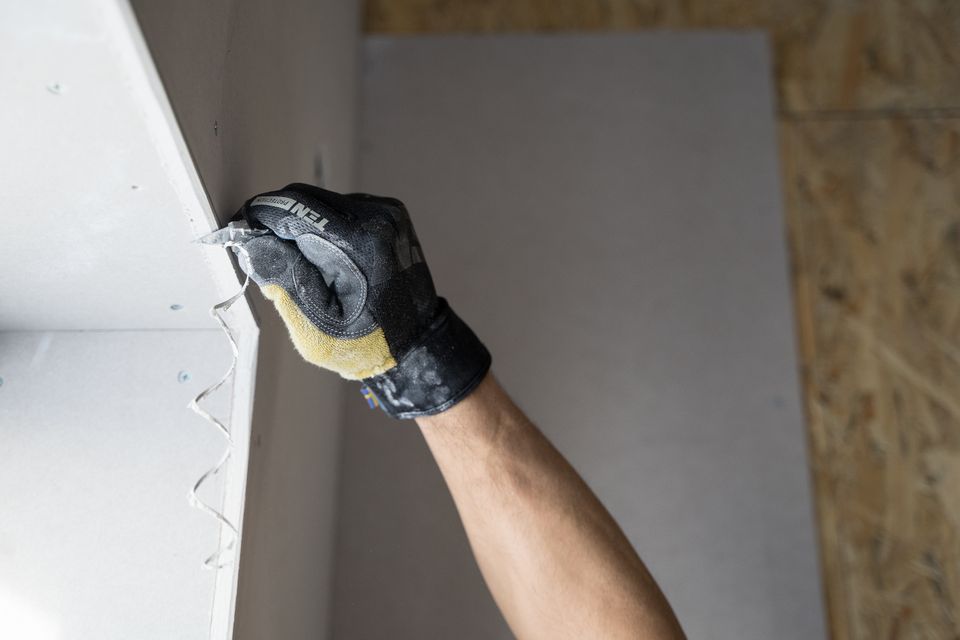
Surfaces can feel dry while the inside of a wall or the underside of a wood floor is still wet. That hidden moisture is what causes mold, swelling and odor weeks later. Structural drying is measured, not guessed. The crew takes readings of unaffected materials in the same house to set a dry target, then records wet areas every day until they match.
Humid DFW summers and cool, damp winters both change drying times. In summer the crew keeps the house cool and closed so dehumidifiers can work; in winter they may add heat. Hardwood floors, cabinets and plaster walls take longer than drywall and carpet.
Structural drying and dehumidification at a glance
- Equipment
- Air movers, LGR dehumidifiers, wall-cavity and floor drying systems
- Monitoring
- Daily moisture readings and a drying log
- Typical length
- 3–5 days; longer for hardwood and plaster
- Goal
- Materials match readings from unaffected areas
Signs you need structural drying and dehumidification
- Walls or floors were wet for more than a few hours
- Baseboards are swelling or separating
- Wood floors are cupping
- The house smells damp days after a leak
- Moisture readings are still high after a DIY cleanup
How the job works
Moisture map
Meters and thermal imaging outline the wet area, including inside walls and under floors.
Set equipment
Air movers and dehumidifiers are placed for the room size and materials; cavities may be vented through small holes behind baseboards.
Daily readings
The crew records moisture, temperature and humidity, and moves equipment as areas dry.
Verify dry
Equipment comes out only when readings reach the dry target. The log goes into the insurance file.
What affects the cost
Every job is priced after an inspection, and your insurer may cover part of it. These are the factors that move the number:
- Number of air movers and dehumidifiers
- Days of equipment rental
- Specialty drying for hardwood or cabinets
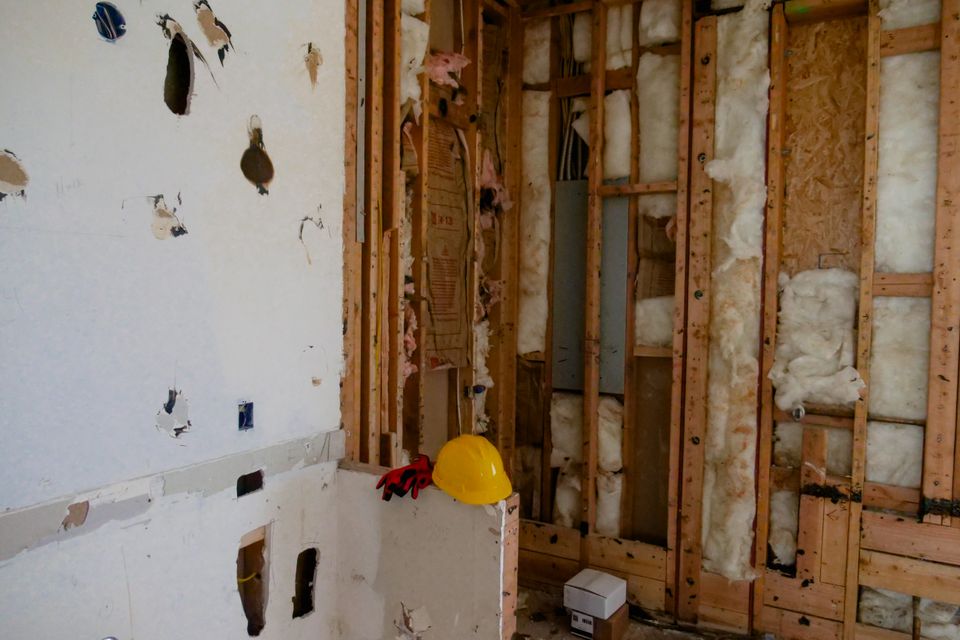
- Controlled demolition to open cavities
- Power use during drying
What you can do before help arrives
Safe to do
- Keep the AC running and doors to wet rooms open
- Leave equipment where the crew placed it
- Report any new smells or stains
Stop and call
- Don't turn off dehumidifiers overnight to save power or noise
- Don't close walls or install flooring until readings are dry
- Don't rely on box fans for wet walls
Questions about structural drying and dehumidification
Why is the equipment so loud?
Air movers push a lot of air across wet surfaces to speed evaporation. The noise is temporary, and turning them off extends drying time.
Can hardwood floors be dried in place?
Sometimes. Specialized floor-drying mats can save solid hardwood if drying starts quickly. Engineered and laminate floors are more likely to delaminate and need replacement.
How do I know the house is really dry?
Ask for the drying log. It should show daily readings for each area and the dry standard they were compared against.
Where we can connect you
Related services
Water where it shouldn't be?
Call and we'll connect you with an independent restoration company that serves your ZIP code. Free, no obligation.